Review of AI-Driven Transformation in the Animation Industry
The animation industry has undergone a remarkable transformation over the past few decades. What once relied heavily on hand-drawn frames and painstaking manual processes has now evolved into a technologically advanced ecosystem powered by artificial intelligence. Drawing from insights in “From Pixels to Algorithms: A Literature Review of AI-Driven Transformation in the Animation Industry,” this blog explores how AI is reshaping animation—and how its influence extends into broader entertainment sectors, including gaming and manga. While AI offers efficiency and innovation, it also raises serious concerns about creativity, labor, and the future of artistic industries.
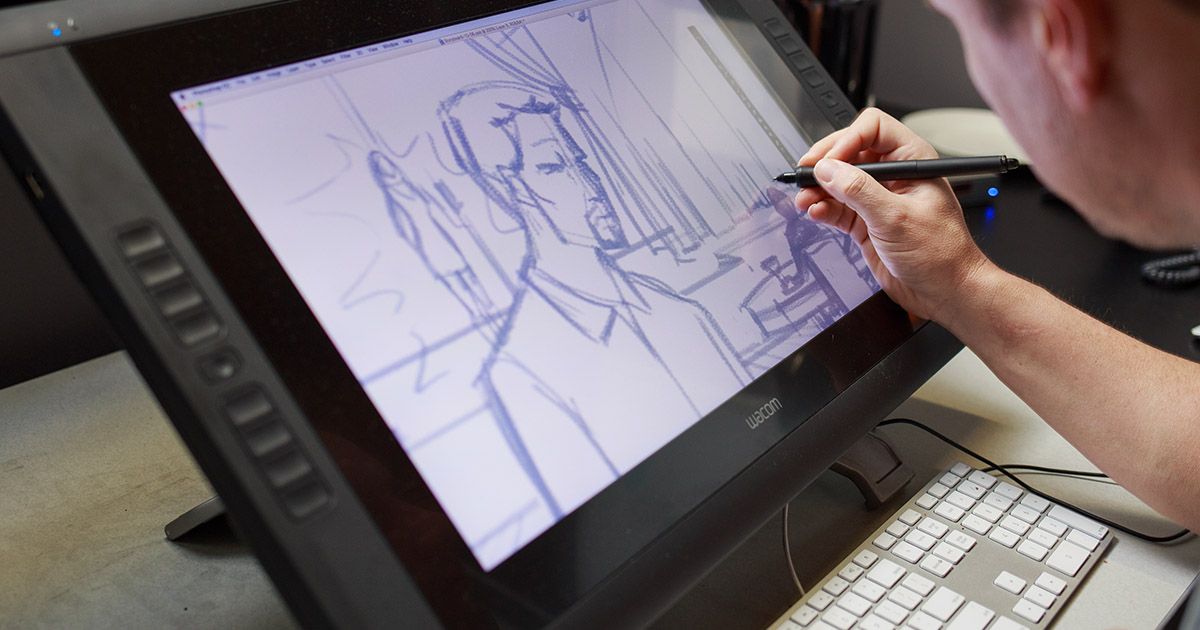
The Evolution: From Traditional Animation to AI Integration
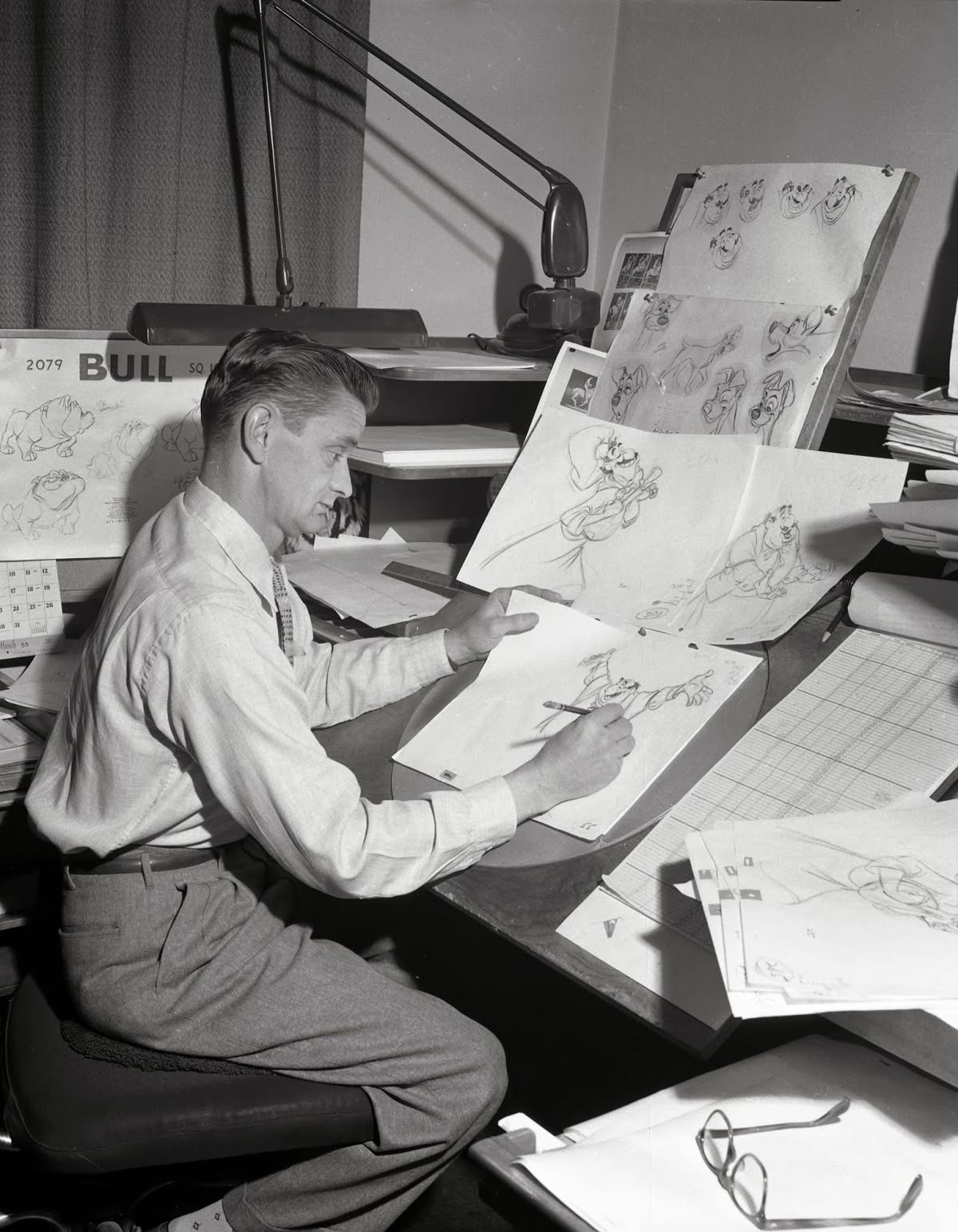
Animation began as a labor-intensive craft. Early animators created motion by drawing frame after frame, requiring immense time and skill. The introduction of digital tools revolutionized the process, enabling faster production and more complex visuals. However, the latest shift—from digital tools to AI-driven systems—represents something fundamentally different.
AI does not just assist artists; it can now generate, predict, and automate creative processes. Machine learning algorithms can interpolate frames, generate backgrounds, simulate physics, and even create entire animated sequences. This shift marks the transition from “pixels,” where artists directly controlled every visual element, to “algorithms,” where systems increasingly participate in decision-making.
Key AI Technologies Transforming Animation
Several AI technologies are driving this transformation:
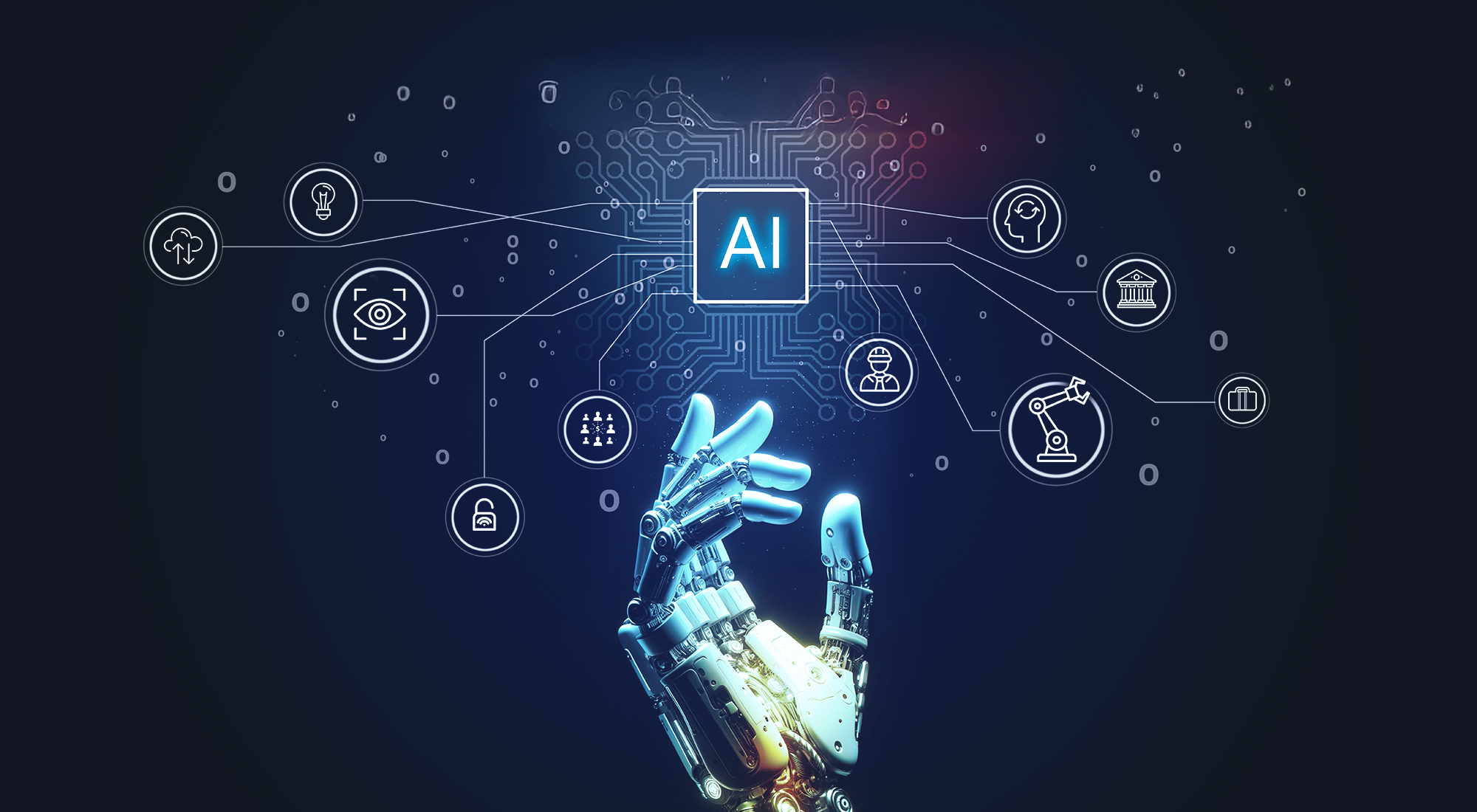
1. Machine Learning and Deep Learning
Machine learning models are trained on vast datasets of images and animations. These models learn patterns, styles, and motion, enabling them to generate new content or enhance existing work. Deep learning, in particular, powers tools that can create realistic character movements or mimic artistic styles.
2. Procedural Generation
AI can generate environments, textures, and assets automatically. This reduces the need for manual design and allows studios to create large-scale worlds efficiently.
3. Motion Capture Enhancement
AI improves motion capture by refining raw data, filling in missing frames, and making movements more natural. This reduces the need for extensive manual cleanup.
4. Automated Inbetweening
Traditionally, animators had to draw “in-between” frames to create smooth motion. AI can now automate this process, drastically reducing production time.
5. Style Transfer and Image Generation
AI tools can replicate specific art styles or generate entirely new ones. This is particularly impactful in animation and manga, where visual identity is crucial.
Benefits of AI in Animation
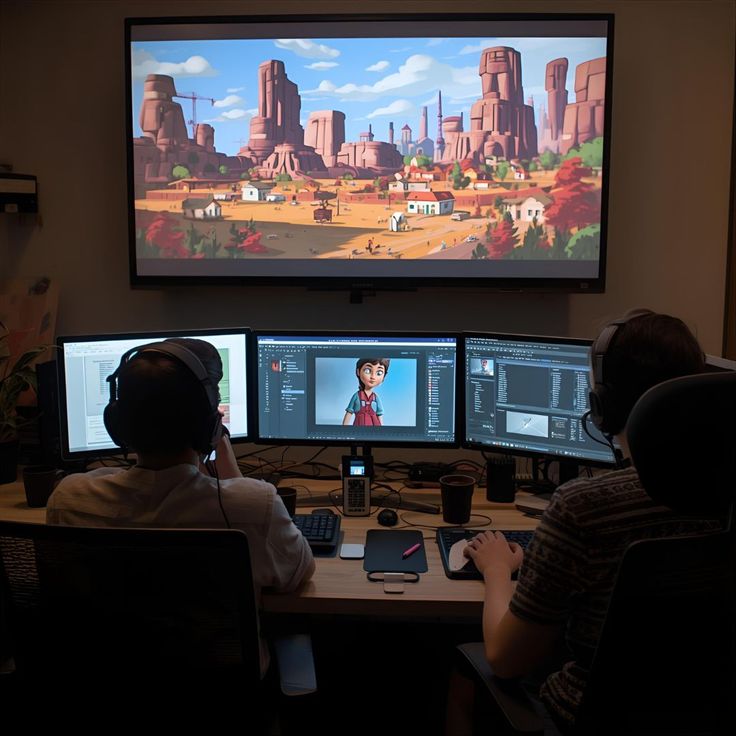
The integration of AI brings several advantages:
- Efficiency: Production timelines are significantly reduced. Tasks that once took weeks can now be completed in hours.
- Cost Reduction: Automation lowers labor costs, making animation more accessible to smaller studios.
- Creative Experimentation: Artists can quickly test ideas, explore styles, and iterate on concepts.
- Scalability: Large projects with complex environments become more manageable.
AI democratizes animation by lowering barriers to entry, allowing independent creators to produce high-quality content without massive resources.
The Shift in Creative Roles
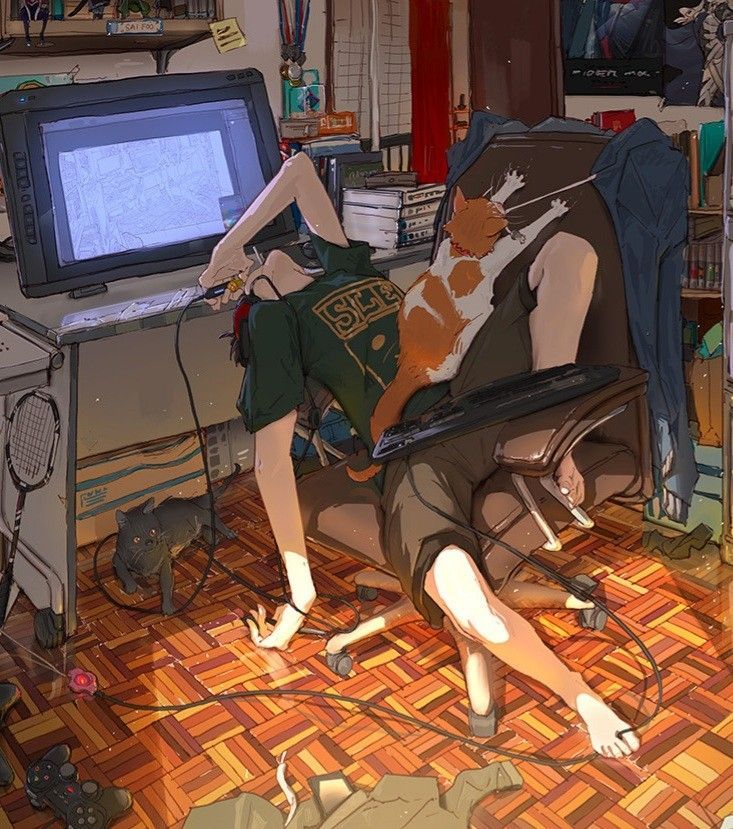
As AI takes over repetitive tasks, the role of animators is evolving. Artists are increasingly becoming directors of AI systems, guiding outputs rather than creating every detail manually. This shift requires new skills, such as understanding AI tools, data inputs, and algorithmic behavior.
However, this transformation also raises concerns about job displacement. Entry-level roles, particularly those involving repetitive tasks like inbetweening or background creation, are at risk. While new roles may emerge, the transition is not always smooth or equitable.
AI’s Influence Beyond Animation
The impact of AI extends beyond animation into the broader entertainment ecosystem:
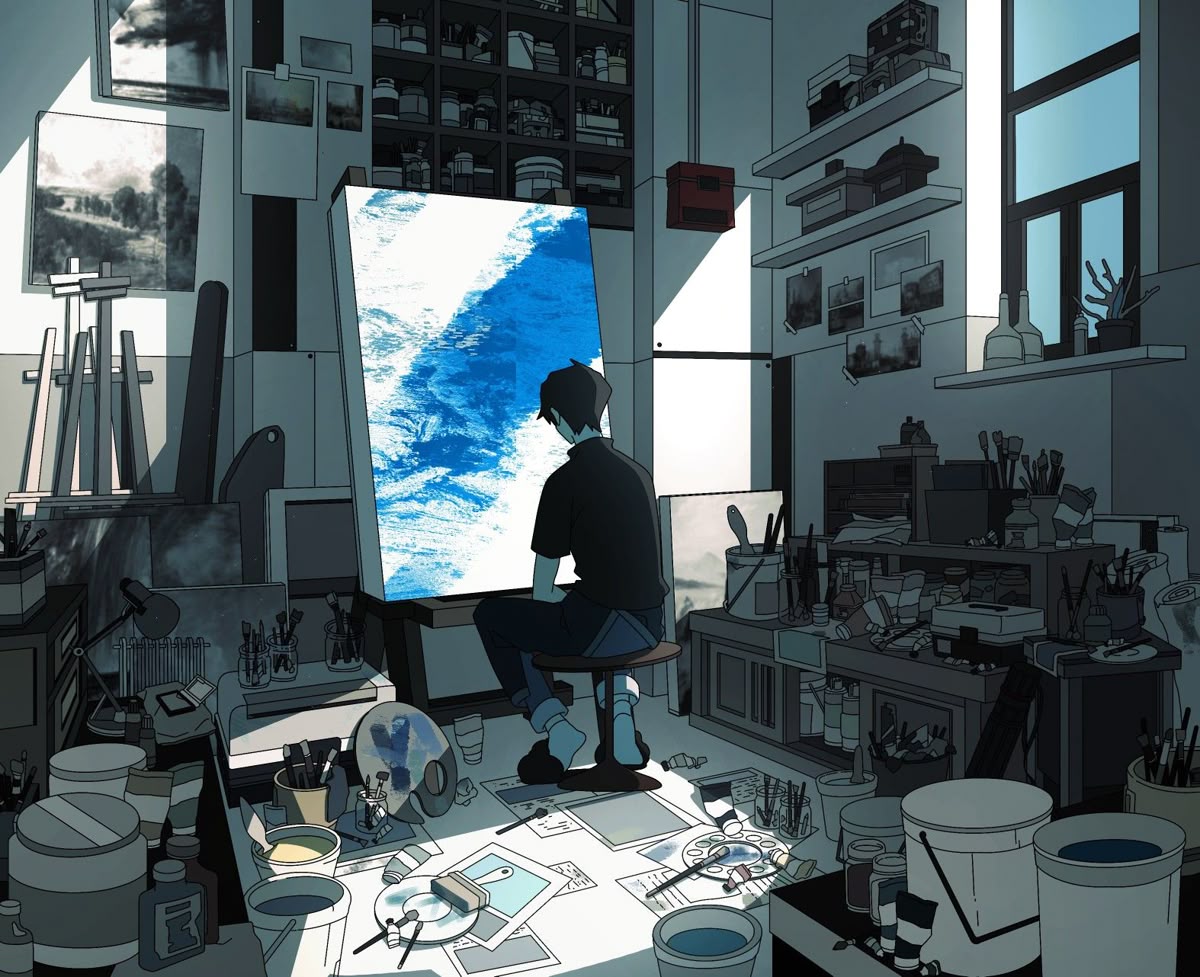
Gaming Industry
In gaming, AI is used to generate environments, design characters, and create adaptive narratives. Procedural generation allows developers to build expansive worlds with minimal manual input. AI-driven NPCs (non-playable characters) can respond dynamically to player actions, enhancing immersion.
Film and Visual Effects
AI assists in visual effects, editing, and even script analysis. It can predict audience preferences, optimize scenes, and automate post-production processes.
Manga and Comics
AI is increasingly being used to assist manga artists. Tools can generate backgrounds, suggest panel layouts, and even mimic drawing styles. While this speeds up production, it also raises questions about originality and artistic identity.
The Negative Effects of AI on Entertainment and Manga
Despite its advantages, AI introduces several challenges and risks:
1. Loss of Artistic Authenticity
One of the biggest concerns is the potential loss of originality. AI-generated content often relies on existing data, which can lead to homogenization of styles. Unique artistic voices may be diluted as algorithms favor patterns that are statistically common.
In manga, where style is deeply personal, this is particularly problematic. If AI tools replicate popular styles, the industry may see less diversity in visual storytelling.
2. Job Displacement
Automation threatens many roles within the animation pipeline. Tasks like coloring, inbetweening, and background design are increasingly handled by AI. This can reduce opportunities for aspiring artists and disrupt traditional career paths.
3. Ethical and Copyright Issues
AI systems are trained on large datasets, often without clear consent from original creators. This raises questions about ownership and intellectual property. If an AI generates art in the style of a specific artist, who owns the result?
4. Over-Reliance on Technology
As studios rely more on AI, there is a risk of losing fundamental artistic skills. Future generations of artists may become dependent on tools rather than mastering core techniques.
5. Audience Perception
Audiences value authenticity and human creativity. If content is perceived as “machine-made,” it may lose emotional impact. This is especially relevant in storytelling mediums like manga, where personal expression is key.
AI and the Changing Nature of Creativity
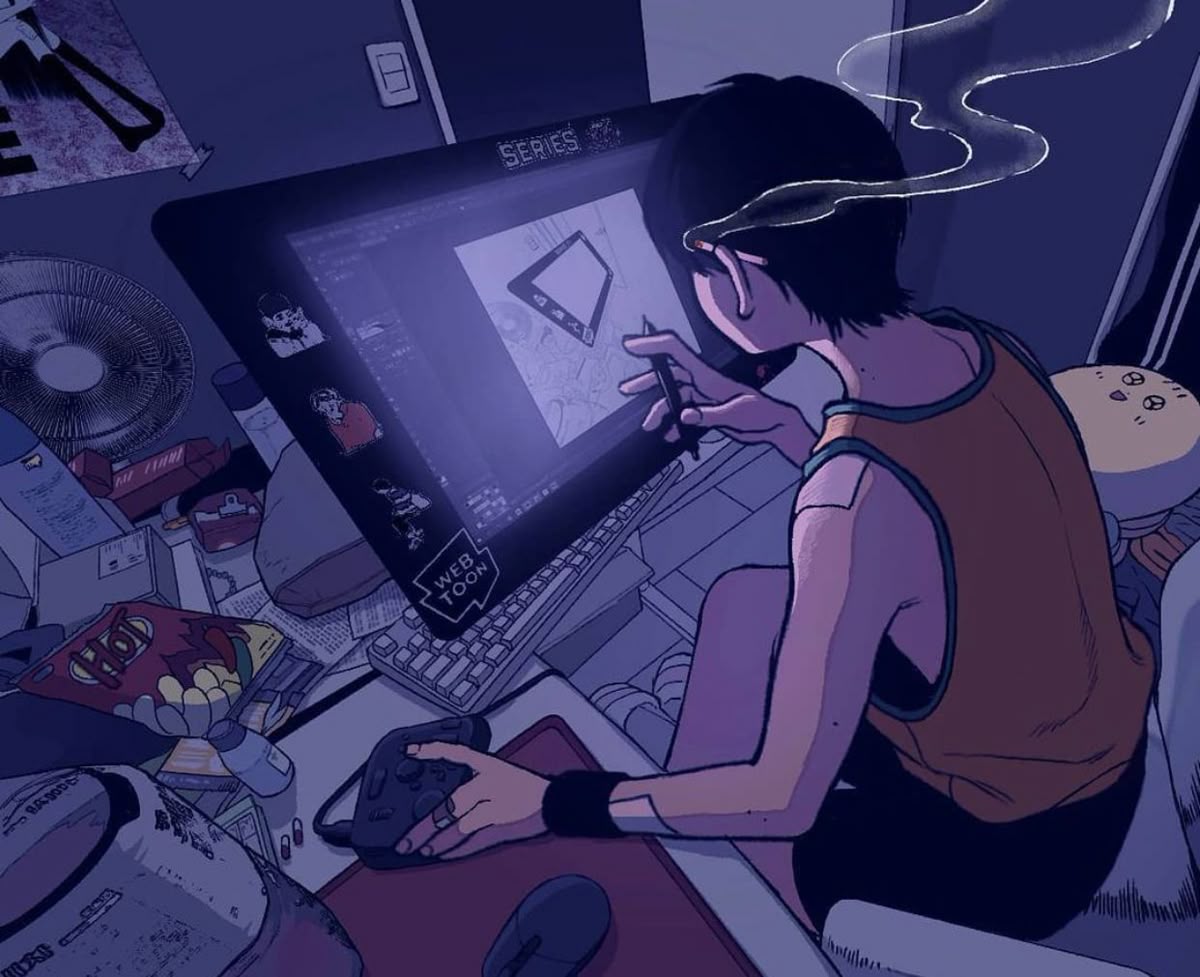
AI challenges traditional definitions of creativity. Is creativity the act of generating something new, or is it the ability to guide and curate outputs? In an AI-driven world, creativity may shift from creation to selection and direction.
This raises philosophical questions about the role of the artist. If an algorithm can produce visually stunning work, what distinguishes human creativity? The answer may lie in intent, emotion, and meaning—qualities that AI struggles to replicate fully.
Balancing Innovation and Preservation
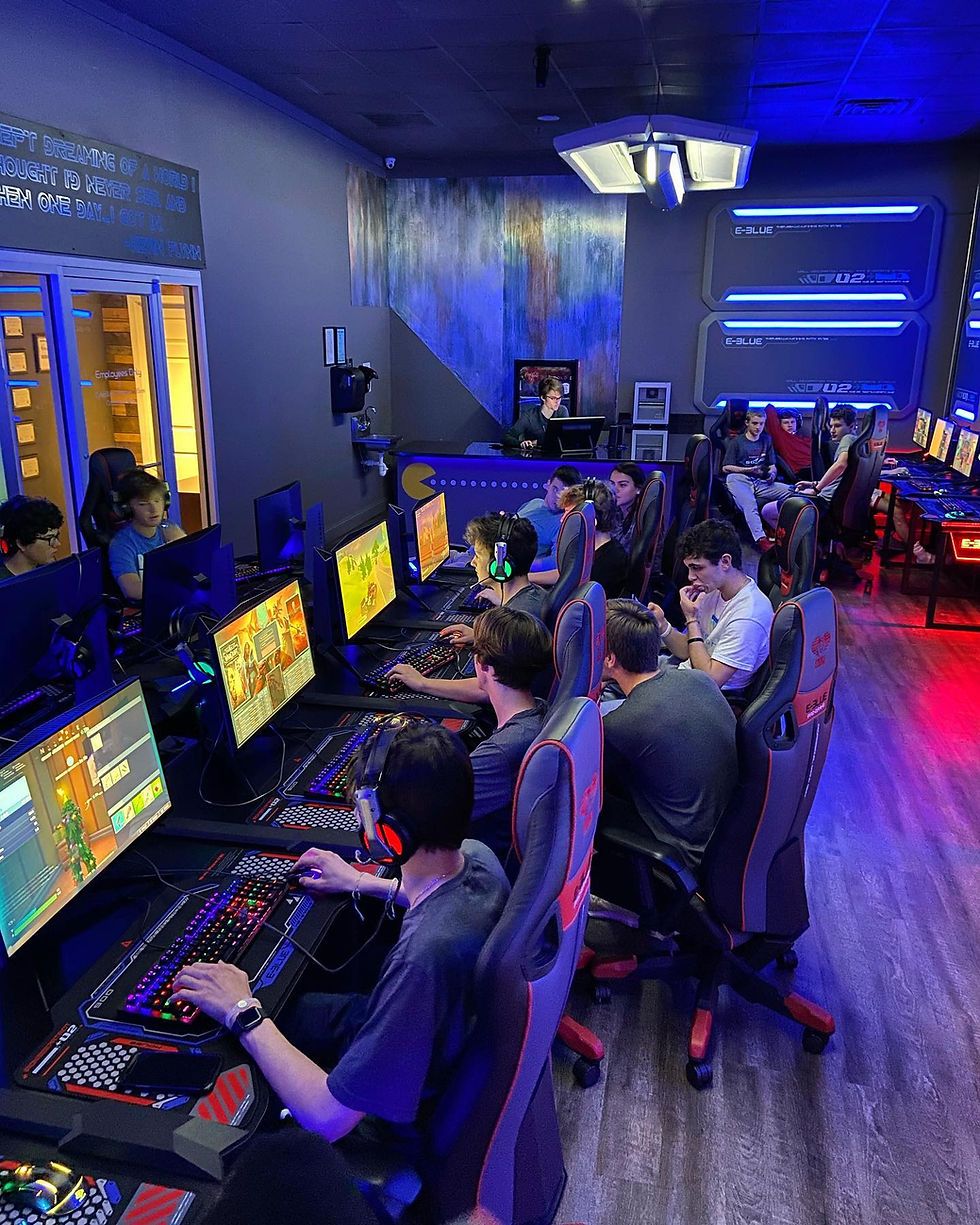
The future of animation and entertainment depends on finding a balance between embracing AI and preserving human creativity. Some potential approaches include:
- Ethical AI Development: Ensuring transparency in training data and respecting artists’ rights.
- Hybrid Workflows: Combining AI efficiency with human creativity.
- Skill Development: Training artists to work alongside AI rather than be replaced by it.
- Regulation: Establishing guidelines for AI use in creative industries.
The Road Ahead
AI is not a temporary trend; it is a fundamental shift in how content is created. The animation industry, along with gaming and manga, will continue to evolve as AI technologies advance.
The challenge is not to stop AI, but to shape its role. If used responsibly, AI can empower artists, expand creative possibilities, and make high-quality content more accessible. However, if misused, it risks undermining the very essence of creative expression.
Conclusion
The transition from pixels to algorithms represents a new era in animation. AI-driven tools are transforming workflows, redefining roles, and expanding creative possibilities. At the same time, they introduce significant challenges related to authenticity, employment, and ethics.
The animation industry stands at a crossroads. The decisions made today will determine whether AI becomes a tool for empowerment or a force of disruption. By prioritizing ethical practices and human creativity, the industry can navigate this transformation successfully.
Ultimately, the future of animation—and entertainment as a whole—will depend on how well we balance innovation with the values that make art meaningful.
Arjun Kapoor
This was a very detailed and balanced article. The discussion on AI’s impact on jobs really stood out to me.
Reply
Mei Lin
I appreciate how you covered both the benefits and risks. The part about manga losing its unique styles is concerning.
Reply
David Romero
Great insights into the technical side of AI in animation. It’s amazing how fast things are changing.
Reply
Riya Sharma
The ethical concerns mentioned here are very important. I hope the industry takes them seriously.
Reply