Executive Summary
Piracy has existed for as long as digital media itself, but in today’s hyper-connected world, it has become one of the most persistent challenges for the entertainment, gaming, and manga industries. From blockbuster movies leaking before release, to AAA games being cracked within days, to manga chapters appearing online through unofficial translations, piracy continues to thrive despite aggressive countermeasures. These industries invest millions into preventing unauthorized distribution—yet piracy refuses to disappear.
The reason is not a lack of effort. In fact, the fight against piracy is highly sophisticated, involving technology, law, psychology, and business strategy. But piracy survives because it adapts faster than the systems designed to stop it.

The First Line of Defense: DRM and Content Protection
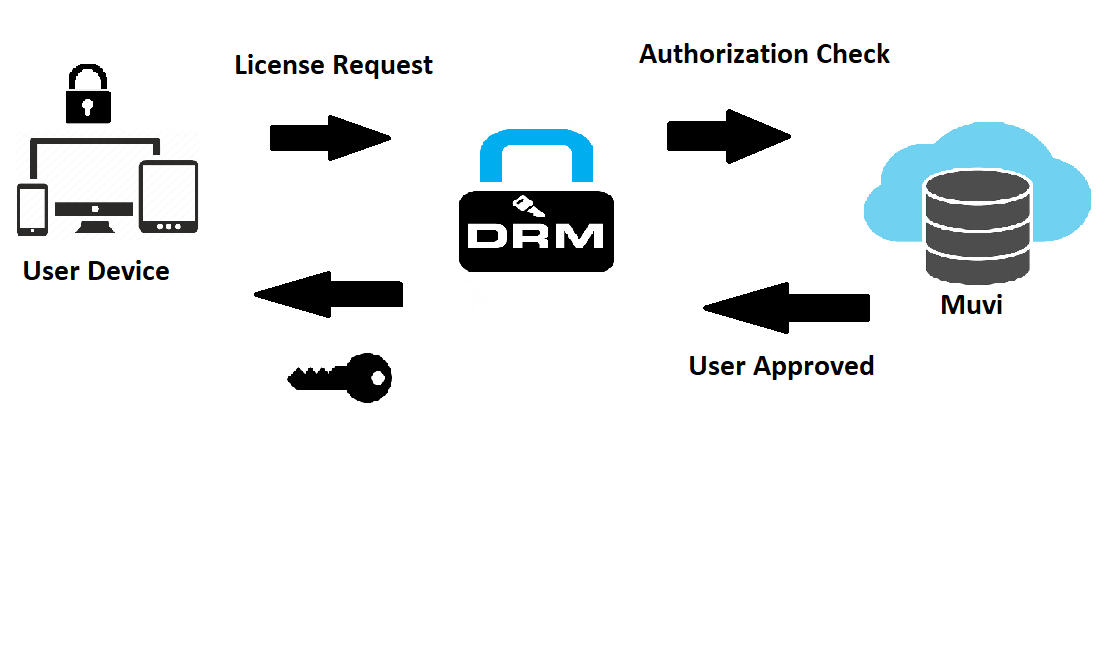
One of the most widely used techniques is Digital Rights Management (DRM). DRM systems are designed to control how digital content is accessed, copied, and shared. In gaming, DRM can tie a game to a specific account or platform, requiring authentication before it runs. In streaming services, DRM ensures that movies and shows cannot be easily downloaded or redistributed.
However, DRM has a fundamental weakness: it only delays piracy rather than eliminating it. Skilled hackers often bypass DRM protections, sometimes within days of release. Even more critically, DRM can negatively impact legitimate users. Always-online requirements, performance slowdowns, and restricted access can frustrate paying customers. Ironically, pirated versions of games sometimes offer a smoother experience because they remove these restrictions.
This creates a paradox: the very systems designed to stop piracy can sometimes encourage it.
Watermarking and Digital Fingerprinting

Another important strategy is watermarking, where invisible identifiers are embedded into media files. These identifiers allow companies to trace the source of leaks. For example, a pre-release copy of a movie sent to a reviewer may include a hidden watermark that reveals its origin if it appears online.
While effective for tracking leaks, watermarking is reactive rather than preventive. It helps identify “who leaked it,” but does not stop the content from spreading once it is out. In a world where files can be duplicated endlessly in seconds, tracing the source often comes too late.
Legal Action and Enforcement

Legal enforcement is one of the oldest tools in the anti-piracy arsenal. Companies issue takedown notices, file lawsuits, and collaborate with governments to shut down piracy websites. Large platforms hosting illegal content are often targeted, and in some cases, operators face significant penalties.
Despite these efforts, enforcement struggles with scale. The internet is decentralized, and piracy networks are resilient. When one website is shut down, multiple mirrors or alternatives quickly appear. Torrent networks, private forums, and encrypted sharing platforms make it even harder to track and eliminate piracy at its source.
Legal action works best as a deterrent against large-scale operators, but it is far less effective against the everyday sharing that fuels piracy’s growth.
Server-Side Systems and Always-Online Models

In the gaming industry, developers increasingly rely on server-side systems to prevent piracy. Many modern games require constant internet connections, with key gameplay elements processed on official servers. This makes it difficult for pirates to replicate the full experience.
Massively multiplayer games (MMOs) are especially resistant to piracy because their core functionality depends on centralized servers. However, this approach is not without criticism. Players often dislike always-online requirements, especially when servers go down or when single-player experiences are locked behind internet access.
Moreover, once a game includes offline components, pirates often find ways to crack those portions. While server-side systems raise the barrier, they do not eliminate piracy entirely.
Faster Distribution and Global Releases

The manga and anime industries have learned an important lesson: piracy often thrives where access is limited. Historically, fans outside Japan had to wait months—or even years—for official translations. This delay led to the rise of scanlation groups that provided unofficial versions quickly and for free.
To counter this, publishers have shifted toward simultaneous global releases. By making official translations available shortly after the original release, they reduce the incentive to seek pirated versions. Platforms offering affordable subscriptions and mobile-friendly reading experiences have also helped.
This approach is one of the most successful anti-piracy strategies because it addresses the root cause: demand. When content is accessible, affordable, and timely, many users choose legal options over piracy.
Pricing Strategies and Accessibility

Another key factor driving piracy is pricing. High costs, especially in regions with lower purchasing power, push users toward free alternatives. To combat this, companies experiment with regional pricing, subscription models, and bundled services.
Streaming platforms, for example, offer vast libraries at relatively low monthly costs. Game stores run frequent sales and discounts. Manga apps provide free chapters or ad-supported reading options.
These strategies aim to make legal consumption more attractive than piracy. However, they are not always consistent across regions. Content may still be restricted, fragmented across multiple platforms, or unavailable in certain countries—creating gaps that piracy continues to fill.
Community Engagement and Ethical Messaging

Industries also try to appeal to consumers’ sense of ethics. Campaigns emphasize that piracy harms creators—artists, writers, developers, and animators who rely on revenue to continue their work.
For dedicated fans, this message can be powerful. Many choose to support official releases out of respect for creators. However, ethical appeals have limits. If the legal option is inconvenient or inaccessible, even well-meaning users may turn to piracy..
Why Piracy Persists

Despite all these efforts, piracy continues to thrive. The reasons are deeply rooted in how digital ecosystems function.
First, digital content is infinitely reproducible. Once a file is leaked, it can spread across the globe instantly, with no degradation in quality.
Second, piracy is driven by convenience. If accessing pirated content is easier than accessing legal content, users will gravitate toward it. This is why simple, user-friendly platforms often outperform strict enforcement.
Third, global inequality in access remains a major issue. Not all regions have equal access to streaming services, game releases, or manga platforms. Piracy fills these gaps, acting as an unofficial distribution network.
Fourth, piracy communities are highly adaptive. They evolve alongside technology, finding new methods to bypass protections and distribute content. Decentralized systems make them difficult to shut down completely.
Finally, over-restriction can backfire. Excessive DRM, region locks, and fragmented services can frustrate legitimate users. When legal access becomes too complicated, piracy becomes the simpler option.
The Industry’s Realization: Compete, Don’t Just Fight

Over time, industries have begun to understand that piracy cannot be eliminated solely through force. Instead, the focus has shifted toward competition—making legal services better than illegal ones.
Streaming platforms succeeded not just by removing pirated content, but by offering convenience, affordability, and quality. Digital game stores provide seamless purchasing, updates, and community features. Manga apps deliver fast, accessible content to global audiences.
These improvements reduce piracy by addressing user needs rather than punishing behavior.
The Future of Anti-Piracy

Looking ahead, the fight against piracy will continue to evolve. Technologies like blockchain, AI-driven monitoring, and advanced encryption may introduce new forms of protection. At the same time, user expectations will continue to shape how content is distributed.
The most effective strategies will likely combine technology with accessibility. Instead of relying solely on restrictions, industries will need to focus on building ecosystems that users prefer over piracy.
Piracy may never fully disappear, but it can be minimized. The key lies in understanding that piracy is not just a problem to be solved—it is a signal. It reveals where systems are failing to meet user needs.
Conclusion

The entertainment, gaming, and manga industries have developed a wide range of techniques to combat piracy: DRM, watermarking, legal enforcement, server-side systems, global releases, and pricing strategies. Each method plays a role, but none provide a complete solution.
Piracy persists because it is fueled by demand, convenience, and accessibility gaps. It adapts quickly, spreads easily, and resists centralized control. The industries that succeed are not the ones that fight piracy the hardest, but the ones that make piracy less necessary.
In the end, the battle against piracy is not just about stopping illegal activity—it is about creating better legal alternatives. When users are given fast, affordable, and seamless access to content, the appeal of piracy begins to fade.
Rohan Verma
This article really opened my eyes. I always thought piracy was just about people not wanting to pay, but the accessibility angle makes a lot of sense.
Reply
Emily Chen
The part about DRM hurting legitimate users was spot on. I’ve had experiences where the legal version felt worse than the pirated one.
Reply
Arjun Nair
Great insights on manga distribution. Simultaneous releases seem like the smartest move the industry has made.
Reply
Kenji Sato
The idea that industries need to compete with piracy rather than just fight it is powerful.
Reply