Multimodality and the Construction of Fear in Chainsaw Man: Understanding Tatsuki Fujimoto’s Unique Horror Language
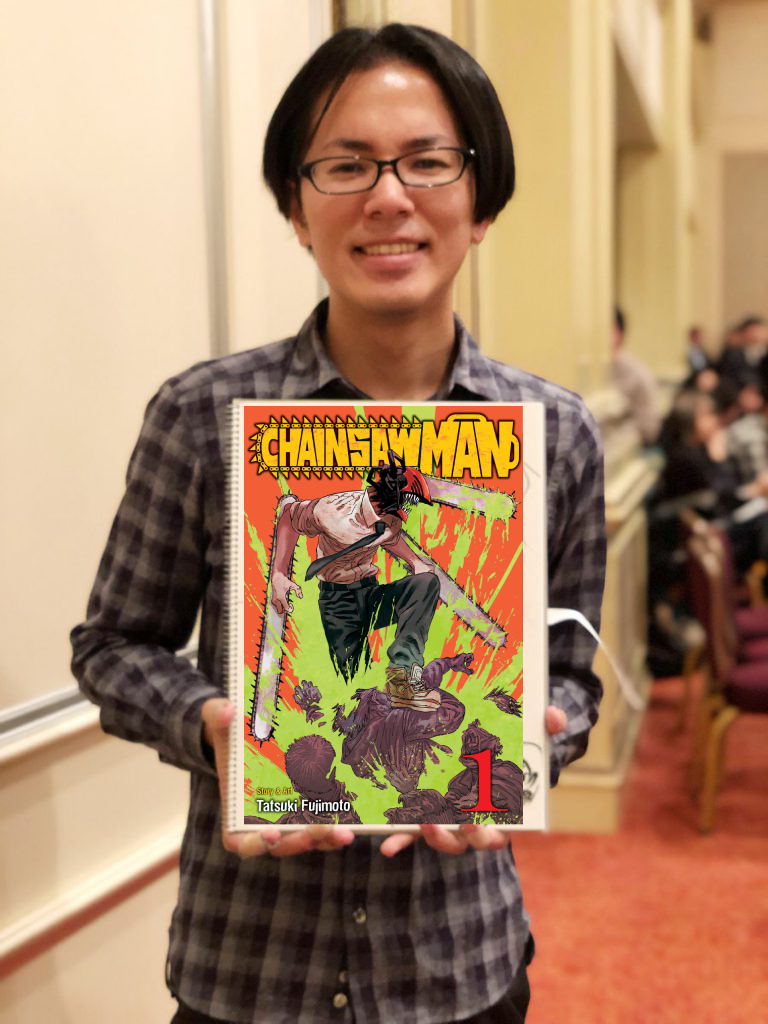
In modern manga, few creators have reshaped the language of fear as effectively as Tatsuki Fujimoto. Best known for Chainsaw Man, Fujimoto does not rely on traditional horror tropes alone. Instead, he constructs fear through multimodality—the interaction of visual composition, panel structure, pacing, silence, and narrative fragmentation. Drawing from academic discussions like “Multimodality and the Construction of Fear in Tatsuki Fujimoto’s Chainsaw Man”, this blog explores how fear is built not just through what is shown, but how it is shown.
Understanding Multimodality in Manga
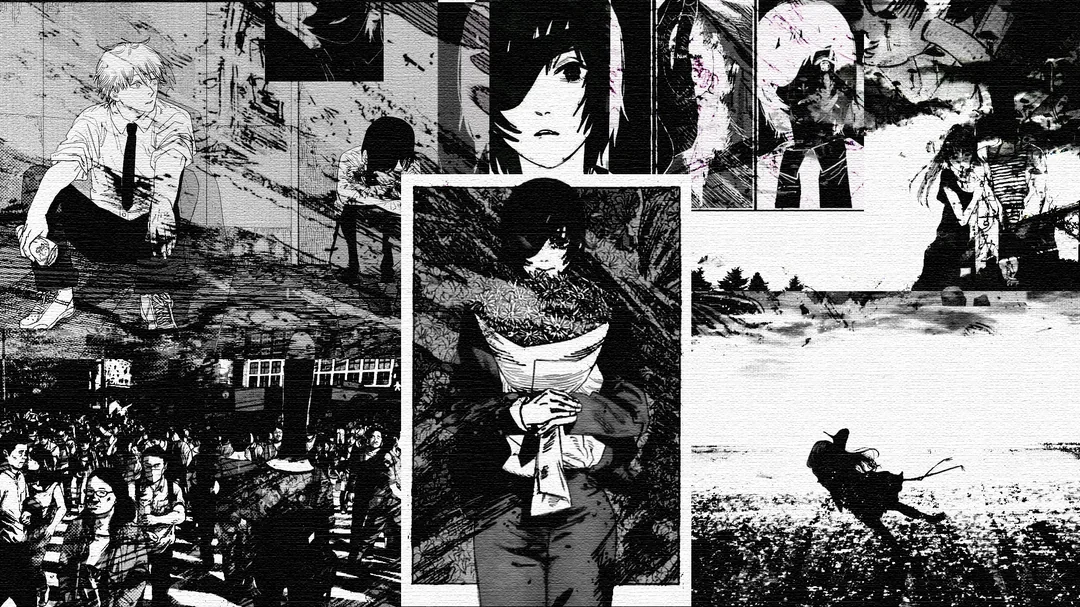
Multimodality refers to the use of multiple modes of communication—visual, textual, spatial, and emotional—to create meaning. In manga, this includes:
- Panel layout and spacing
- Facial expressions and body language
- Sound effects and typography
- Silence and negative space
- Narrative pacing
In Chainsaw Man, these elements are not just stylistic choices—they are the core tools through which fear is constructed. Fujimoto treats the manga page almost like a film director treats a scene, carefully controlling what the reader sees, when they see it, and how long they sit with it.
Fear Through Visual Composition
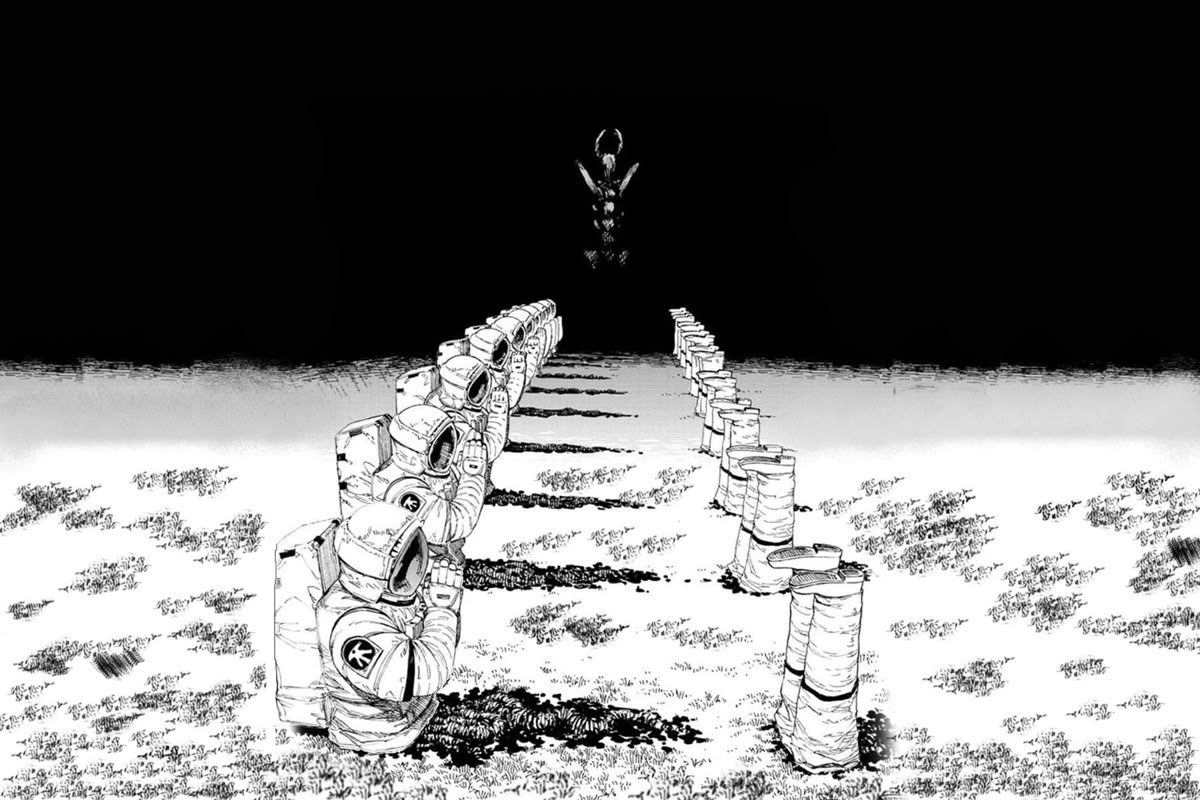
Unlike traditional horror manga that often relies on grotesque imagery or sudden shocks, Fujimoto’s approach is subtler and often more unsettling. He frequently uses empty space and minimal dialogue to create tension. A character standing alone in a quiet room, framed awkwardly within a panel, can feel more disturbing than an explicit monster reveal.
One of Fujimoto’s strengths lies in breaking visual expectations. Panels may suddenly shift perspective, cut off important details, or linger too long on mundane actions. This disrupts the reader’s sense of rhythm, creating unease. The fear is not always in the content—it is in the anticipation and discomfort.
The Role of Silence and Timing
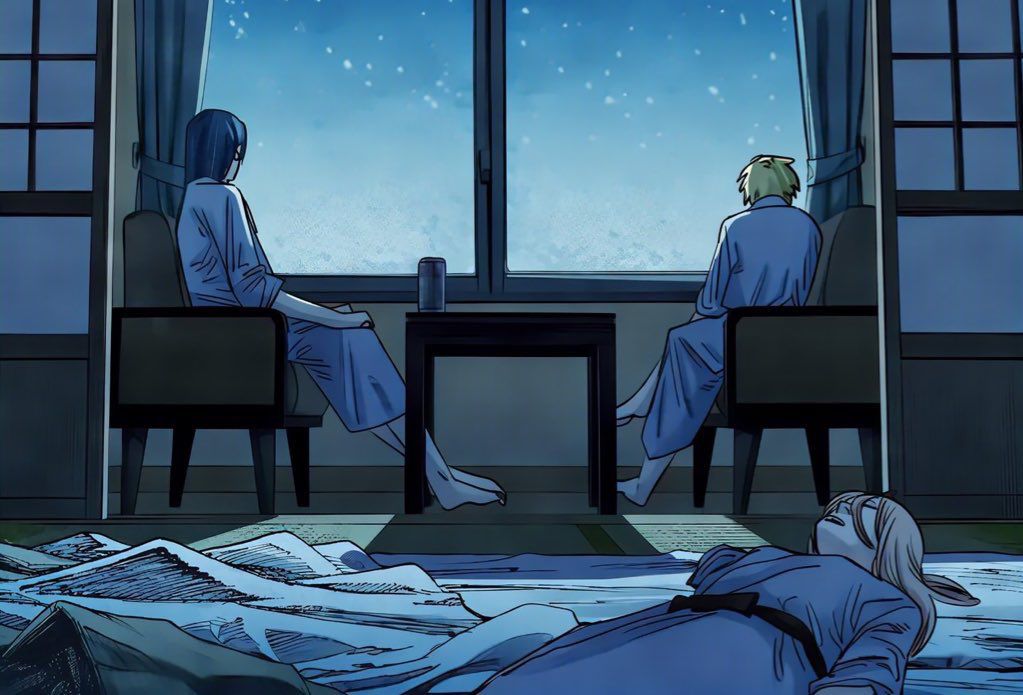
Silence plays a critical role in Chainsaw Man. Many scenes stretch across multiple panels with little to no dialogue. This forces the reader to slow down and engage more deeply with the visual cues.
In horror, timing is everything. Fujimoto manipulates this by:
- Delaying key reveals
- Extending moments beyond comfort
- Interrupting action with stillness
This technique mirrors cinematic horror, where tension builds not through constant action but through controlled pacing. The reader becomes hyper-aware, anticipating something terrible even before it happens.
Panel Layout as Psychological Space
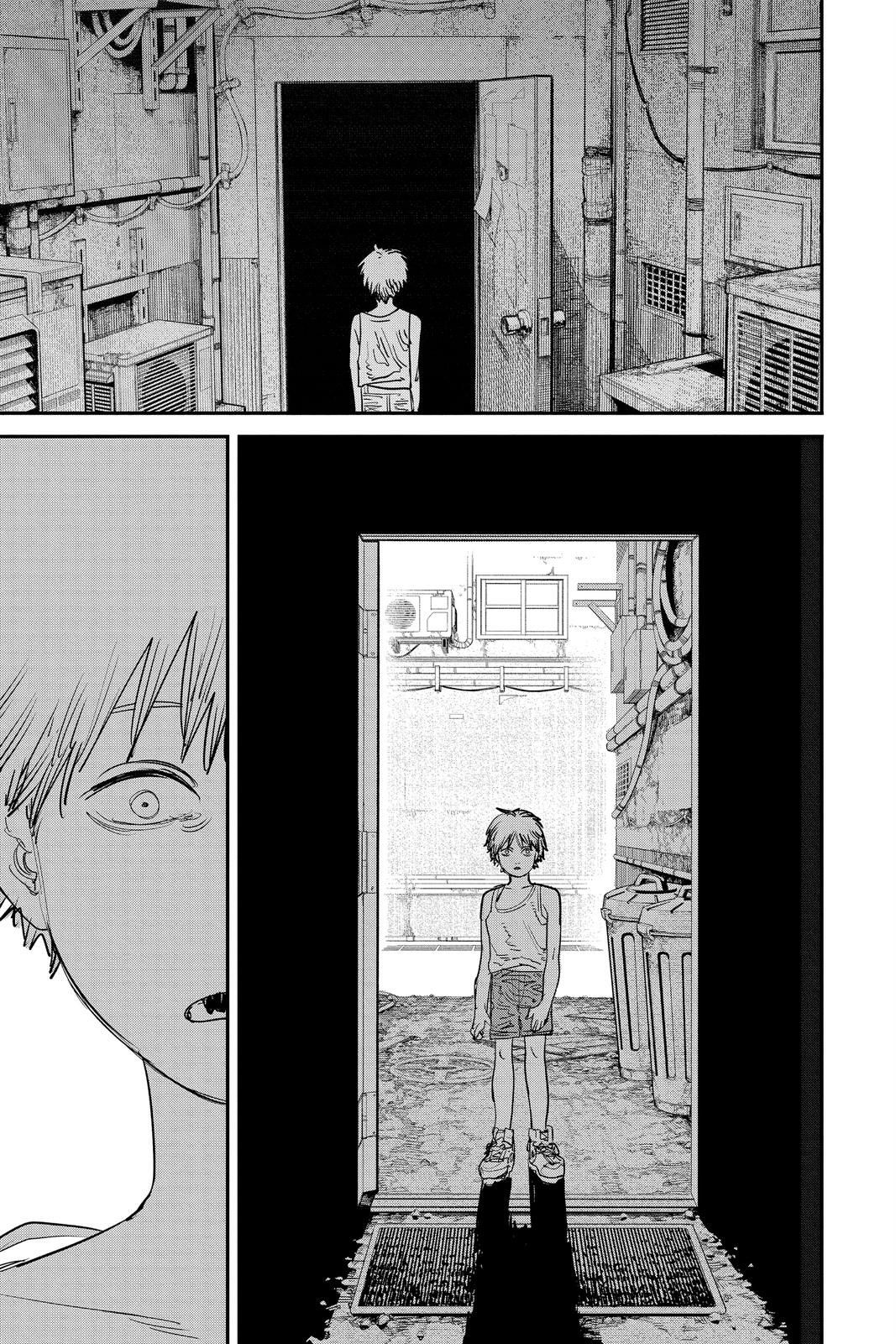
Fujimoto’s paneling often reflects the mental state of characters. Tight, cluttered panels can create a sense of confinement or panic, while large, open panels evoke isolation and vulnerability.
He also uses irregular panel structures to disrupt flow. Instead of guiding the reader smoothly, the layout forces them to pause, reconsider, or even feel lost. This mirrors the psychological instability present in the story.
Fear, in this sense, is not just external (monsters, violence) but internal—rooted in confusion, helplessness, and unpredictability.
Subversion of Horror Expectations
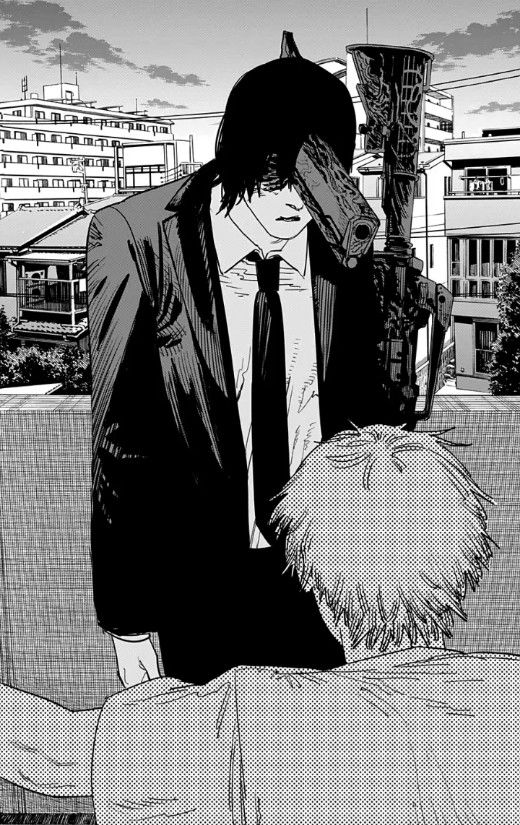
Traditional horror often builds toward a clear climax—a reveal, a jump scare, or a confrontation. Fujimoto frequently subverts this structure. Scenes that seem like they are building toward something terrifying may end abruptly, or worse, transition into something emotionally disturbing rather than visually shocking.
This unpredictability is key to his style. Readers cannot rely on familiar patterns, which creates a constant sense of tension. The fear becomes psychological rather than purely visual.
Emotional Horror and Human Fragility
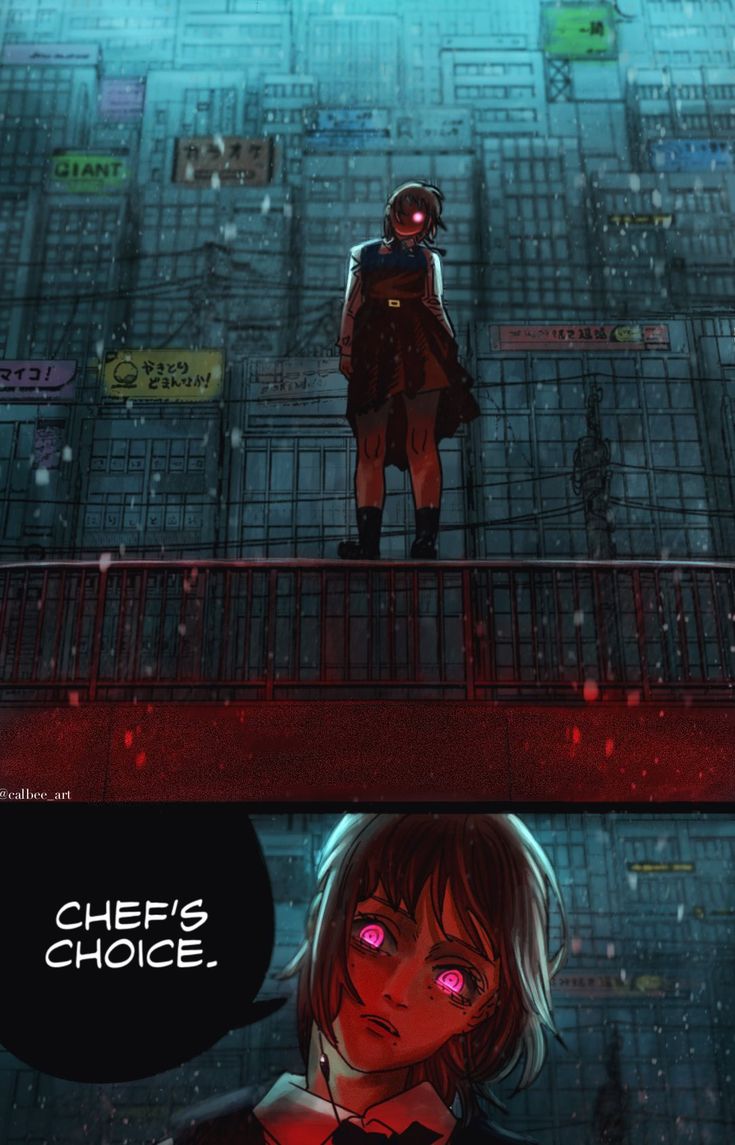
Another important aspect discussed in academic analysis is how Chainsaw Man blends emotional vulnerability with horror. Characters are not just facing external threats—they are dealing with loneliness, desire, trauma, and existential uncertainty.
Fujimoto often places characters in quiet, intimate moments before or after violent events. These moments humanize them, making the horror more impactful. When something tragic happens, it feels personal rather than distant.
Fear, in this context, is tied to loss and meaninglessness, not just danger.
Fujimoto’s Broader Work and Style
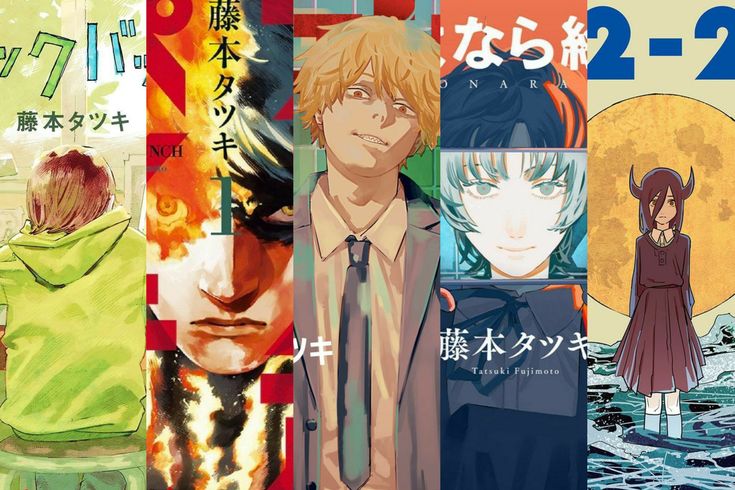
To fully understand Chainsaw Man, it is important to look at Fujimoto’s other works. Before achieving global recognition, he created several one-shots and series that showcase his experimental storytelling.
Fire Punch
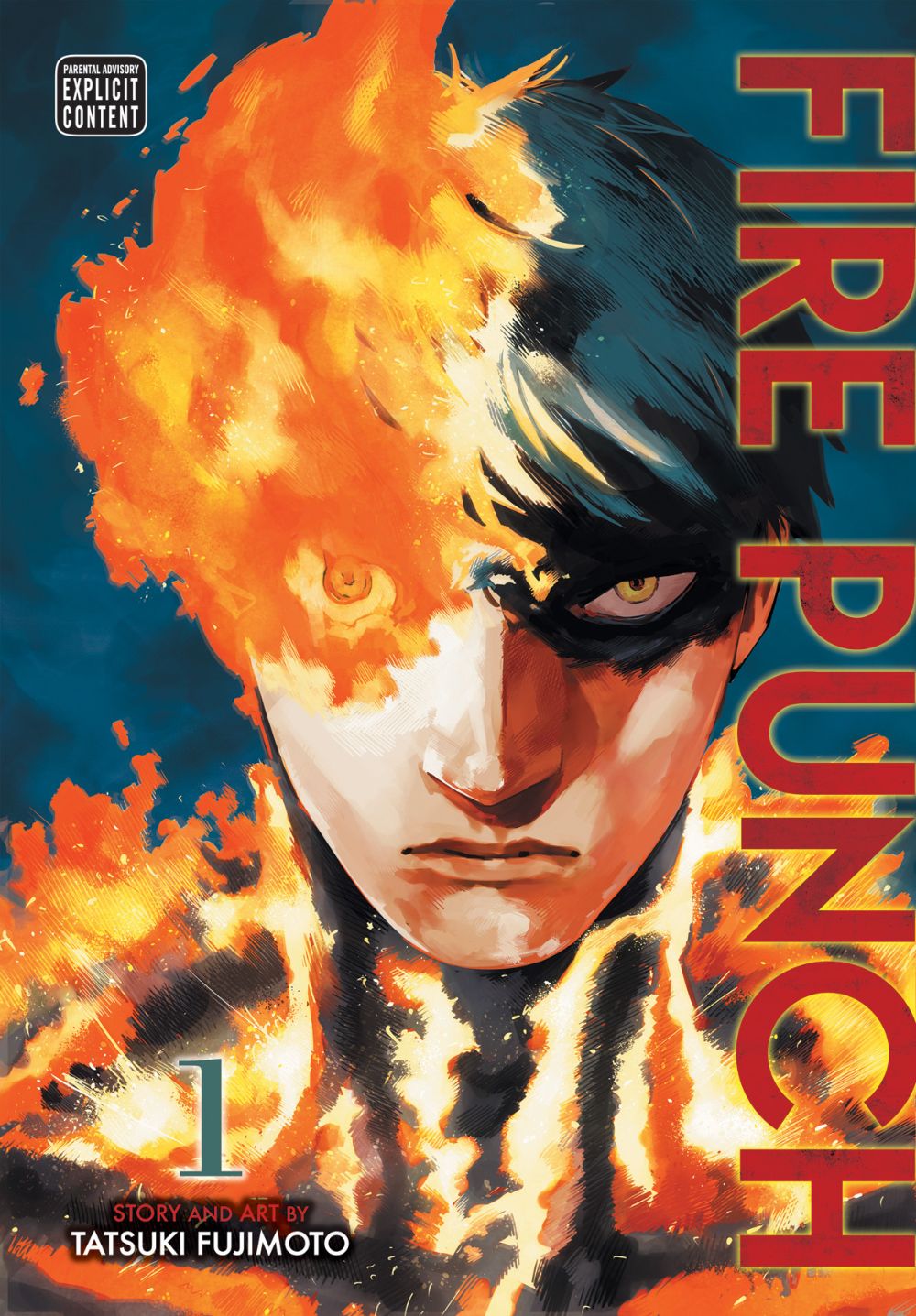
His earlier series Fire Punch is darker and more chaotic, exploring themes of survival, identity, and morality in a brutal post-apocalyptic world. It already demonstrates his tendency to blend absurdity with deep emotional and philosophical questions.
One-Shots: Look Back and Goodbye, Eri

Fujimoto’s one-shots, especially Look Back and Goodbye, Eri, highlight his ability to tell deeply emotional stories using minimal dialogue and strong visual pacing. These works rely heavily on multimodality—using panel transitions, repetition, and framing to convey complex emotions.
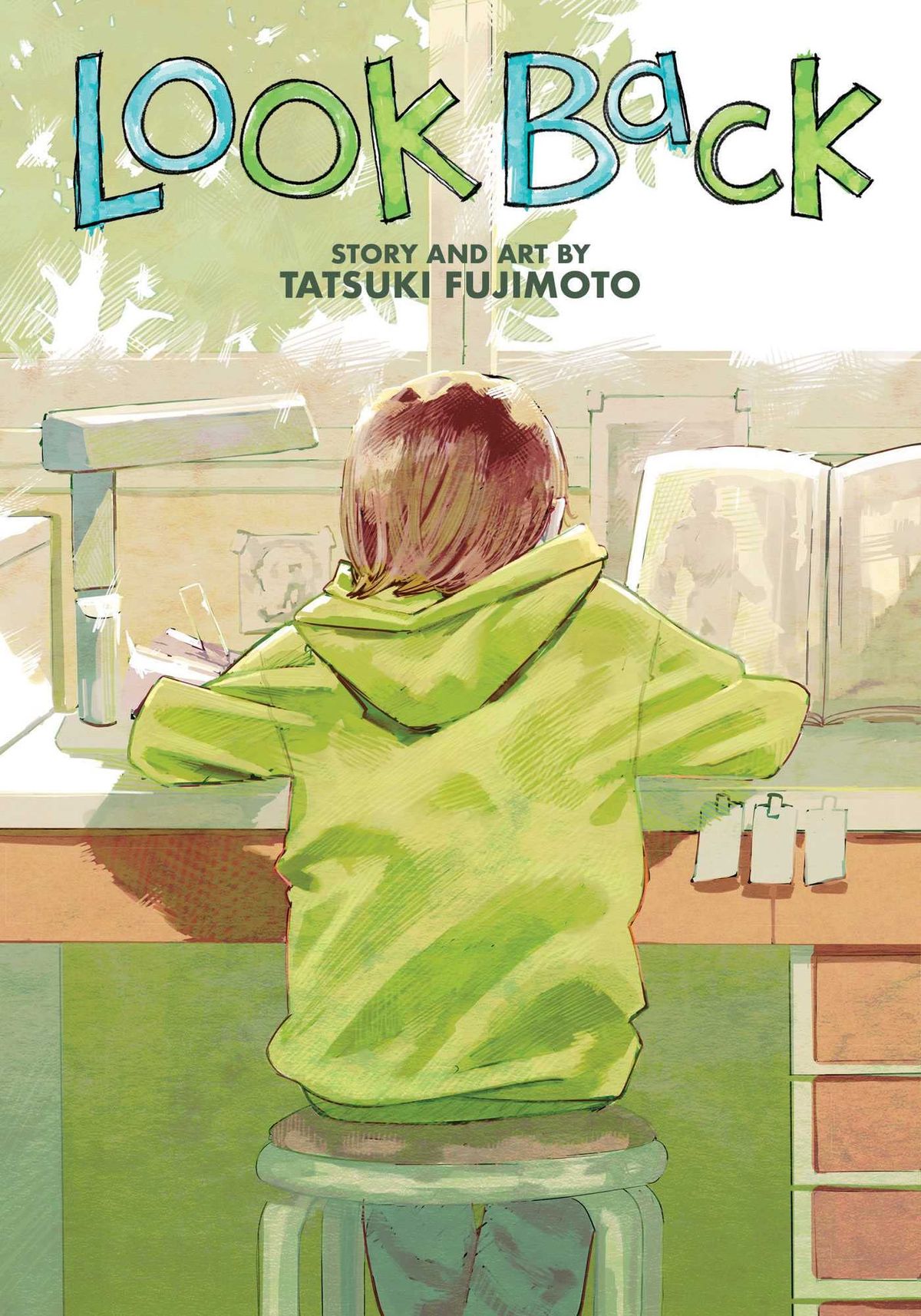
In Look Back, for example, the passage of time and emotional distance is conveyed more through visual rhythm than text. In Goodbye, Eri, Fujimoto plays with cinematic framing, blurring the line between reality and fiction.
These works reinforce the idea that Fujimoto’s storytelling is fundamentally visual and structural, not just narrative.
.
Multimodality as a Signature Style
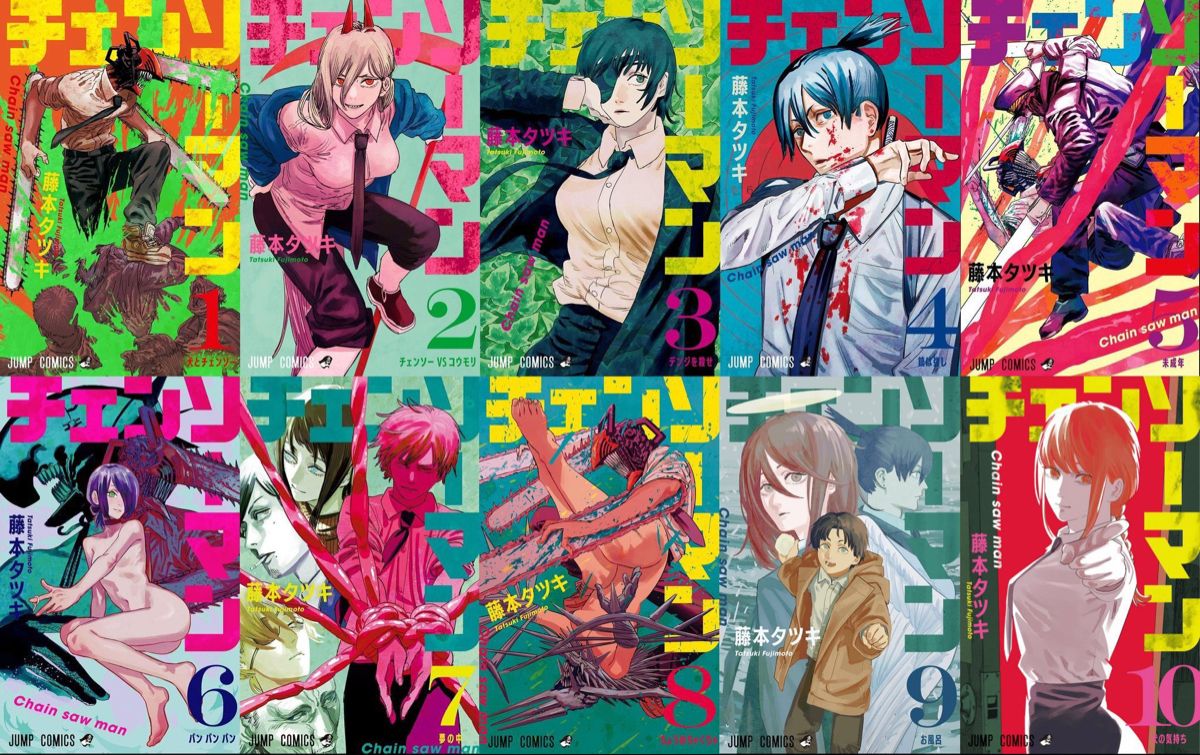
Across all his works, Fujimoto consistently uses multimodality to:
- Control pacing and tension
- Create emotional depth
- Subvert expectations
- Engage readers actively
In Chainsaw Man, this approach reaches its peak. The manga becomes an experience rather than just a story. Readers are not passively consuming content—they are navigating it, interpreting it, and feeling it.
Why Fear in Chainsaw Man Feels Different
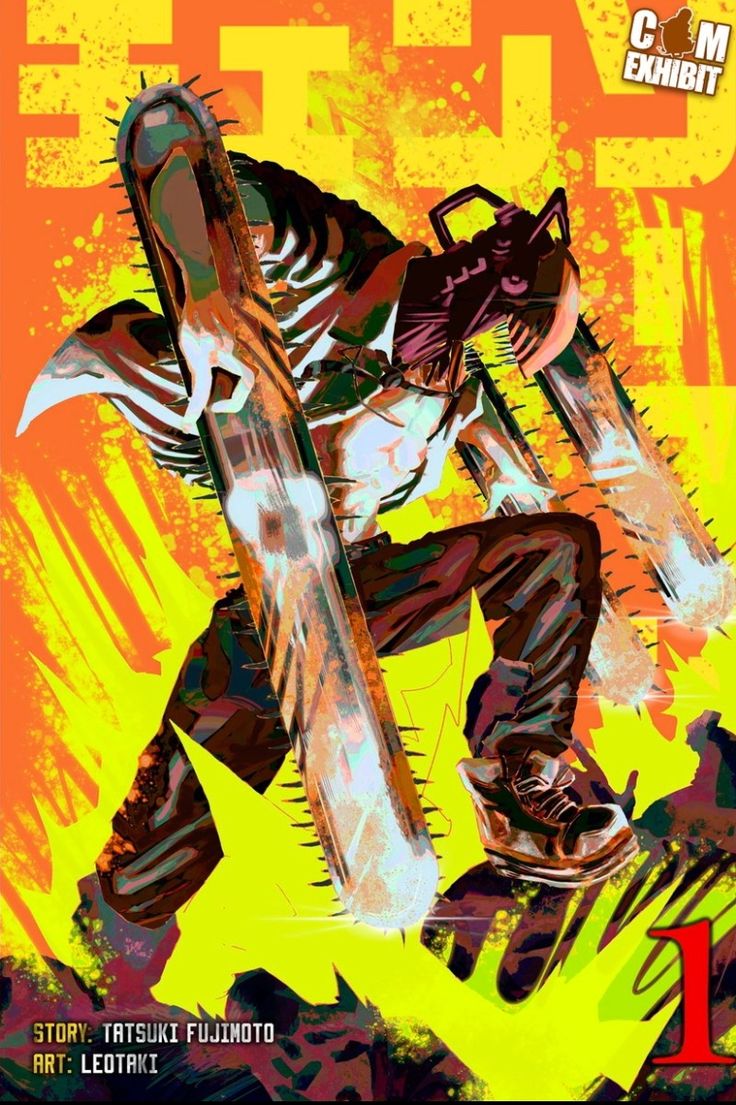
The fear in Chainsaw Man stands out because it is:
- Unpredictable – There is no clear pattern to follow
- Psychological – It targets emotions and perception
- Layered – Visual, narrative, and emotional elements work together
- Human – It is grounded in relatable struggles
Rather than relying on traditional horror techniques, Fujimoto creates a sense of unease that lingers even after reading. The fear is not just in what happens, but in how it is presented.
Conclusion
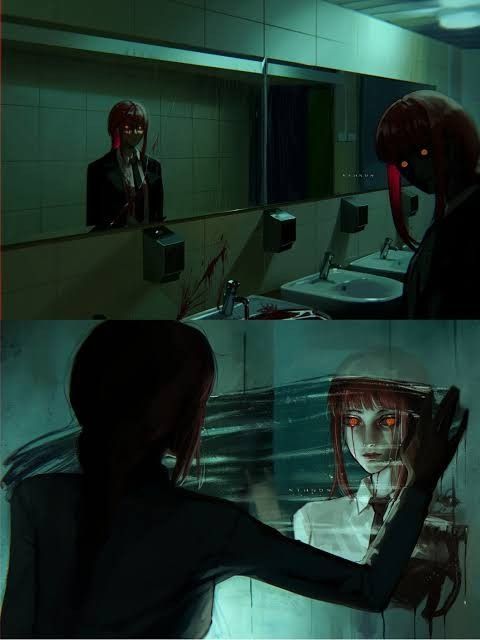
Chainsaw Man is a powerful example of how multimodality can transform storytelling. Through careful control of visuals, pacing, and narrative structure, Tatsuki Fujimoto constructs a unique form of fear that goes beyond conventional horror.
His work challenges readers to engage with manga in a deeper way, paying attention not just to the story, but to how the story is told. By combining emotional vulnerability with experimental techniques, Fujimoto has redefined what horror can look like in modern manga.
As manga continues to evolve as a global medium, creators like Fujimoto demonstrate that innovation does not come from bigger spectacles, but from smarter storytelling.
Aman Gupta
This was a really insightful breakdown. I never thought about how panel layout itself can create fear.
Reply
Sakura Ito
Loved the focus on silence and pacing. Fujimoto’s work always felt different, and now I understand why.
Reply
Rahul Mehta
The comparison with his other works like Fire Punch added great context. Really well explained.
Reply
Emily Watson
This made me want to reread Chainsaw Man more carefully. There’s clearly so much I missed.
Reply